
Virtual reality is changing not only how casino games look, but how players behave while playing them. Unlike traditional online gambling, VR places the player inside a simulated environment that feels spatial, social, and persistent. This shift alters attention, emotional engagement, and decision-making in measurable ways.
Understanding these behavioral changes matters for players, platform designers, and regulators. VR does not change odds or game math, but it changes how players experience risk, time, and reward. This article breaks down the most important behavioral effects in clear, practical terms.
Immersion and Its Psychological Effects
VR casinos increase immersion by surrounding the player with a 3D environment instead of a flat screen. This creates a sense of presence that standard online casinos cannot replicate. Players feel like they are “inside” the casino rather than observing it.
This immersion increases focus and emotional engagement. As a result, players may lose awareness of time and external distractions more quickly than in browser-based play.
The effect is not inherently negative, but it changes how self-control operates during gambling sessions.
Loss of Time Awareness
In VR, environmental cues replace real-world signals like clocks or notifications. Without interruptions, sessions often last longer than intended.
Players may underestimate how much time they have spent gambling. This makes session limits more important than in traditional formats.
Heightened Emotional Response
Wins and losses feel more intense in immersive environments. Visual and spatial feedback amplifies excitement and frustration.
This emotional amplification can lead to faster betting decisions, especially after wins or near-misses.
Social Presence and Peer Influence
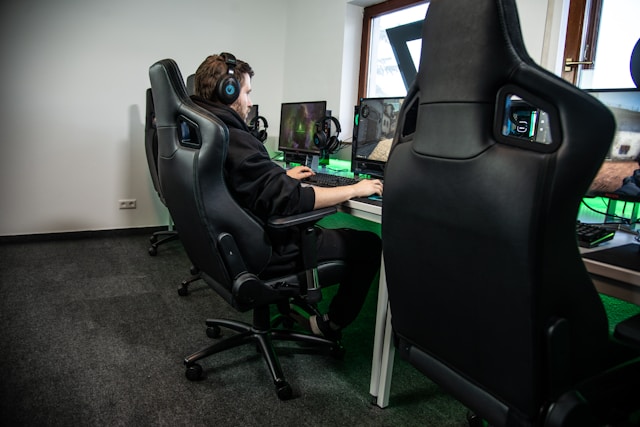
VR casinos often include shared spaces where players see avatars of others. Even without direct interaction, this creates a sense of being observed.
Social presence affects behavior, particularly betting confidence and risk tolerance. Players may bet more aggressively when others are nearby.
This mirrors real-world casino psychology but applies it to online environments.
How Social Context Shapes Decisions
Players may feel pressure to appear confident or successful. This can reduce cautious play and increase stake sizes.
Conversely, social interaction can also slow play by encouraging conversation rather than constant betting.
Decision Speed and Risk Perception
VR interfaces reduce friction between intent and action. Hand movements, gestures, or gaze-based controls make betting feel immediate.
Faster interaction often leads to faster decisions. This can reduce analytical thinking, especially in games with rapid rounds.
Risk may feel less abstract in VR, even though probabilities remain unchanged.
Common Behavioral Shifts
- Faster bet placement
- Increased session length
- Higher emotional volatility
- Reduced multitasking
These changes are subtle but consistent across VR environments.
Behavioral Trade-Offs for Players
VR enhances entertainment but introduces new behavioral risks. Awareness and structure are key to maintaining control.
Players who apply traditional self-management tools often need to adjust them for immersive play.
Practical adjustments include:
- Setting shorter session limits
- Using external time reminders
- Lowering default bet sizes
- Taking physical breaks between sessions
These steps help offset immersion-driven behaviors.
Platform Design and Responsibility

VR casino design choices strongly influence player behavior. Layout, lighting, sound, and pacing all affect engagement.
Responsible platforms integrate visible limits and clear feedback into the VR environment. Poorly designed platforms hide these controls or make them difficult to access.
Design matters more in VR because players rely on the environment for cues.
Behavioral Differences by Platform Type
| Factor | Traditional Online | VR Casinos |
|---|---|---|
| Time awareness | High | Reduced |
| Emotional intensity | Moderate | Elevated |
| Social influence | Low | Medium to high |
| Decision speed | Slower | Faster |
| Distraction level | High | Low |
This comparison highlights why VR requires different safeguards.
Long-Term Implications for Gambling Behavior
As VR becomes more accessible, these behavioral effects will become more relevant. The technology itself is neutral, but its impact depends on design and usage.
Players who understand how VR affects perception are better equipped to manage their behavior. Platforms that acknowledge these changes can build trust and sustainability.
VR gambling does not redefine odds, but it reshapes experience. That distinction is critical for anyone engaging with it seriously.
Leave a Reply